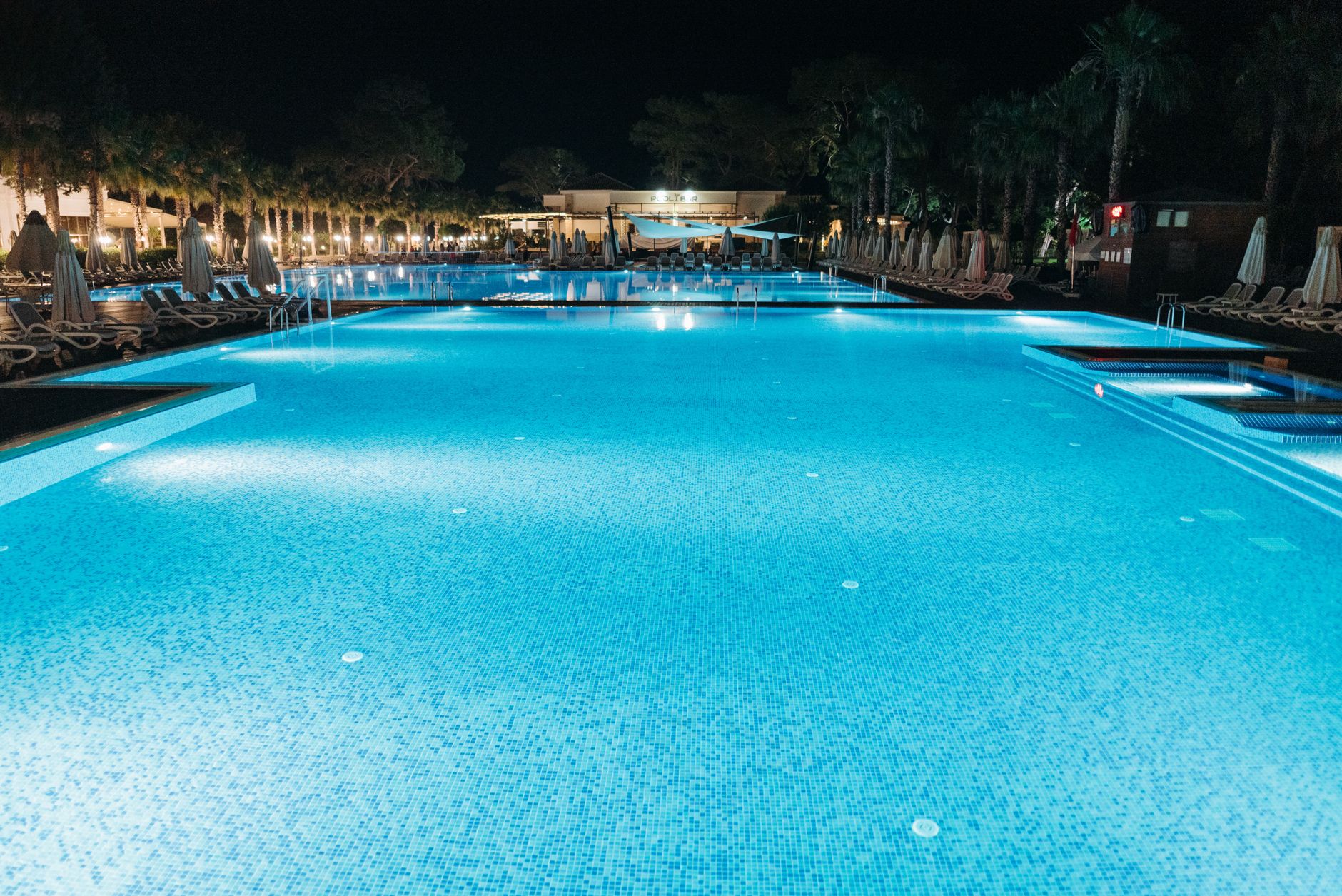
A pool light transforms your swimming area from day to night, adding both safety and ambiance. Whether you're installing a new pool light, troubleshooting an existing one, or planning maintenance, understanding your options and how they work is essential. This guide covers everything pool owners need to know about pool lights, from LED efficiency to repair strategies and cost considerations.
At Clean and Clear Pools, we work with homeowners and commercial pool operators throughout Florida and beyond. We've seen firsthand how proper pool light selection and maintenance impact both the longevity of your equipment and your enjoyment of the pool itself. This article walks you through the full lifecycle of pool lighting.
Types of Pool Lights: LED, Halogen, and Fiber Optic Explained
When choosing a pool light, you'll encounter three primary technologies. Each has advantages and trade-offs. Understanding what each does helps you make an informed decision for your residential or commercial pools.
LED Pool Lights: Energy Efficient and Long-Lasting
LED (light-emitting diode) pool lights have become the industry standard over the past decade. They consume approximately 75% less energy than traditional halogen bulbs and last 10 to 15 years or longer without replacement. LEDs produce less heat than halogen systems, making them safer around children and reducing strain on pool water chemistry.
Many LED pool lights also offer color-changing features. You can cycle through colors manually or set them to change automatically, creating dynamic effects for evening entertaining. Installation is straightforward, and most modern pool pumps combine with LED systems without additional wiring.
Halogen Pool Lights: Powerful Brightness
Halogen bulbs deliver bright, white light and have been standard in pool lighting for decades. They cost less upfront than LEDs but consume significantly more electricity. A 500-watt halogen bulb can account for noticeable increases in your electric bill if run frequently.
Halogen bulbs typically last 2 to 4 years before requiring replacement, and the bulbs themselves are more expensive per unit than LED alternatives. The main advantage: immediate bright illumination without warm-up time, which some pool owners prefer for safety reasons.
Fiber Optic Pool Lights: Unique Aesthetic Appeal
Fiber optic lighting systems use a single light source connected to fiber optic strands that deliver light throughout the pool without electrical current passing through the water itself. This design is inherently safer for electrical reasons. Fiber optic systems work well for decorative lighting in residential settings and high-end commercial installations.
The initial installation cost is higher, and repair or replacement typically requires professional help. If aesthetics and safety are primary concerns, fiber optic lighting offers an elegant solution.
Pool Light Maintenance Keeps Your System Running Safely
Proper pool light maintenance prevents failures, extends equipment life, and keeps your pool safe for swimming. Regular inspections catch small problems before they become expensive repairs.
Monthly and Seasonal Inspection Schedules
Check your pool light monthly during the swimming season. Look for cracks in the lens, water inside the fixture housing, or corrosion around electrical connections. If your pool operates year-round, inspect lights every four to six weeks. Moisture accumulation inside a light fixture is the most common sign of seal failure and requires immediate attention.
At the start of each season, test all lights to confirm they activate correctly. Listen for unusual humming or crackling sounds, which indicate potential electrical issues. Document which lights are working and note any dim performance, as this helps you plan for replacement before complete failure.
Cleaning and Water Chemistry Considerations
Pool chemical imbalance corrodes light fixtures and shortens component life. High chlorine, low pH, or unbalanced alkalinity speeds deterioration of metal parts and seals. Work with your Pool Cleaning professional to maintain proper chemical levels, which also protects all pool equipment.
Clean the exterior lens of your pool light every few months with soft cloth and mild soap. Avoid abrasive scrubbing, which can scratch the lens and reduce light output. Inside cleaning should be left to professionals, as opening the fixture requires proper tools and electrical knowledge.
Common Pool Light Problems and When to Call a Professional
Some pool light issues are simple fixes; others require licensed electricians or specialists. Knowing the difference saves money and keeps your pool safe.
Why Is My Pool Light Not Working?
A non-functional pool light usually traces to one of four causes. First, check the circuit breaker. Many pool lights have a dedicated breaker; a tripped breaker is the simplest fix and requires just resetting it. Second, inspect the light switch and wiring for loose connections or damaged insulation.
Third, water inside the fixture housing indicates a failed seal. This is a common failure, especially in halogen systems, and requires fixture replacement or professional seal repair. Fourth, the bulb itself may have burned out, particularly with halogen systems. Turn off power, allow the fixture to cool, and replace the bulb if it's visibly darkened or blown.
If none of these steps restore power, the fixture's internal transformer or wiring may be damaged. This requires a licensed pool electrician to diagnose and repair safely. Attempting electrical repairs without proper training risks electrocution or fire.
Cloudy or Dim Lighting Performance
Clouding inside the lens or reduced brightness usually signals moisture intrusion or lens degradation. For LED lights, dim performance can also indicate a failing power supply or color-changing control module. Halogen systems dim over time as the bulb ages, and replacement is the typical solution.
If cloudiness is external only (algae or mineral deposits on the lens), cleaning resolves it. Internal cloudiness requires fixture service or replacement.
Corrosion Around Electrical Connections
Salt water and chlorinated water accelerate corrosion on exposed metal. If you notice green or white crusty deposits around wire connections or fixture terminals, turn off the light immediately and contact a professional. Corrosion can create electrical fire hazards and must be addressed by someone qualified.
Pool Light Installation: Cost, Process, and Timeline
Whether you're upgrading from halogen to LED or installing lighting in a newly constructed pool, understanding the installation process helps you budget and plan.
Labor and Material Costs for New Installation
LED pool light fixture costs range based on features and wattage. Installation labor depends on your pool's existing infrastructure and electrical setup. Pools without existing lighting require new conduit runs and electrical work, which increases labor significantly compared to replacing an existing fixture in the same location.
Color-changing RGB LED systems cost more than single-color white LEDs but offer flexibility for entertainment and mood setting. Working with a qualified contractor or your pool cleaning service ensures proper installation and warranty protection.
Retrofit Options for Existing Pools
If your pool already has halogen lighting, retrofitting to LED is straightforward in most cases. The existing conduit, housing, and electrical connections often accept modern LED fixtures with minimal adaptation. This upgrade reduces energy costs immediately and eliminates frequent bulb replacement.
Some advanced retrofit packages include smart controls, allowing you to adjust brightness and color from your smartphone. These systems combine with home automation platforms for added convenience.
Energy Efficiency and Pool Light Operating Costs
Your choice of pool light technology directly impacts ongoing electricity expenses, particularly if your pool operates year-round or you use lighting several hours nightly.
LED vs. Halogen Operating Costs
An LED pool light typically consumes 7 to 12 watts, while halogen systems consume 300 to 500 watts. Running a halogen light for 4 hours nightly costs roughly three to four times more than operating an LED system for the same duration. Over a year, this difference adds up significantly.
LED systems pay for themselves through energy savings within 2 to 4 years in most cases, depending on local electricity rates and usage frequency. After that period, you're simply enjoying lower operating costs.
Smart Controls and Scheduling
Timer-based controls and automation allow you to run lights only when needed. Motion sensors can activate lights when someone approaches the pool. These features reduce wasted energy and further lower your electric bill.
Many smart LED systems let you schedule color changes for specific times, creating evening ambiance without manually adjusting settings. This automation is impossible with traditional halogen systems.
Pool Light Safety Considerations for Residential and Commercial Properties
Pool lighting serves a critical safety function beyond aesthetics. Proper lighting prevents accidents and meets building codes for public and commercial pools.
Electrical Safety and Code Compliance
All pool electrical installations must comply with National Electrical Code (NEC) standards. This means proper grounding, bonding, and waterproof connections. Fixtures must be rated for wet environments, and wiring must be protected in approved conduit.
Commercial pools have stricter requirements than residential pools. Building inspectors verify compliance during construction and periodic inspections. Using licensed electricians and fixtures certified for pool use protects your investment and keeps swimmers safe.
Lighting Brightness Standards
Adequate lighting helps prevent slips, falls, and collisions around the pool deck. The deck and pool area should have sufficient light for safe navigation at night. For commercial pools, local codes often specify minimum foot-candle levels for safety compliance.
Troubleshooting Pool Light Electrical Issues
Some electrical problems require professional diagnosis, but basic troubleshooting can narrow down the issue and save time.
Testing Circuits and Connections
Use a non-contact voltage tester to confirm power is off before touching any electrical components. These testers are inexpensive and prevent accidental shock. If the breaker is tripped, reset it once; if it trips immediately again, don't reset it repeatedly, as this may indicate a short circuit.
Loose terminal screws on switches or in the light fixture housing are common causes of intermittent problems. If you're comfortable with basic tools, tightening these connections (with power off) sometimes resolves flickering or partial failures. Never attempt to work inside a fixture housing yourself unless you're licensed in electrical work.
When to Call a Licensed Electrician
If testing doesn't identify the problem, or if you suspect a short circuit or water damage to electrical components, call a licensed electrician immediately. Pool lighting involves 120-volt or higher circuits, which are dangerous. Professional electricians have insurance and training to handle these repairs safely.
| Light Type | Energy Use (Watts) | Lifespan (Years) | Color Options | Best For |
|---|---|---|---|---|
| LED | 7-12 | 10-15+ | Single or Multi-Color | Energy-conscious homeowners, year-round pools |
| Halogen | 300-500 | 2-4 | White only | High brightness, budget installations |
| Fiber Optic | 75-150 | 10+ | Single or Multi-Color | High-end aesthetics, enhanced safety |
Frequently Asked Questions About Pool Lights
Why is my pool light not working?
The most common reasons a pool light fails are a tripped circuit breaker, loose electrical connections, or a burned-out bulb. Start by checking your breaker panel; if the pool light breaker has tripped, switch it off completely, then back on. If it trips immediately again, don't attempt further resets, as this suggests an electrical problem requiring professional attention.
Next, inspect the light switch and any visible wiring for loose connections or damage. For halogen bulbs, turn off power, let the fixture cool, and replace the bulb if it appears dark or blown. If none of these steps restores power, water may have entered the fixture housing (signaling seal failure), or internal electrical components may be damaged. Contact a licensed pool electrician for diagnosis and repair.
How often should I replace my pool light bulb?
LED bulbs typically last 10 to 15 years or longer without replacement, making them significantly more durable than halogen alternatives. Halogen bulbs require replacement every 2 to 4 years, depending on usage frequency and water chemistry. Pools with poorly balanced chemicals may experience premature bulb failure due to corrosion and seal degradation. Maintaining proper chlorine, pH, and alkalinity levels extends the life of all lighting systems.
Can I install a pool light myself?
Replacing an existing bulb in an accessible fixture is a homeowner task (always with power off). However, installing a new fixture, running electrical conduit, or modifying wiring should only be done by licensed electricians. Pool lighting involves high voltage and water, a combination that creates serious electrical hazards. Professional installation ensures compliance with electrical codes, proper grounding, and safety certification.
What is the difference between fiber optic and LED pool lights?
Fiber optic lights use a single light source connected to thin strands that deliver light without electrical current flowing through the water. They're inherently safer from an electrical perspective and offer unique aesthetic appeal. LED lights are more energy-efficient, brighter, and cost less to install. LEDs last longer (10-15+ years) compared to fiber optic systems (10 years). For most residential pools, LEDs offer the best balance of cost, energy efficiency, and performance. Fiber optic is preferred for elevated installations and high-end commercial applications.
How much does pool light installation cost?
Costs vary based on the light type, your pool's existing infrastructure, and regional labor rates. LED retrofits to existing halogen systems are typically less expensive than installing lights in pools without existing fixtures. Fiber optic systems cost more than LED or halogen due to specialized installation. Consult with your pool contractor or service provider for a detailed estimate based on your specific pool and lighting goals.
Do LED pool lights really save money?
Yes, LED pool lights reduce electricity consumption by approximately 75% compared to halogen systems. If you run lights 4 hours nightly, an LED system costs roughly one-fourth as much to operate as halogen. Most LED upgrades pay for themselves within 2 to 4 years through energy savings alone. After that point, you benefit from lower operating costs indefinitely, plus you'll spend far less on bulb replacement.
Can I use my pool at night without lighting?
Using a pool at night without lighting is unsafe. Swimmers cannot see obstacles, water depth changes, or other swimmers. Accidents, collisions, and drowning risk increase dramatically in the dark. For safety and liability reasons, all nighttime pool use should include proper illumination. This is especially important for commercial and rental properties, where building codes may mandate minimum lighting levels.
What maintenance do pool lights require?
Inspect lights monthly for cracks, water inside the fixture, or corrosion around connections. Test all lights at the start of each season to confirm they activate correctly. Clean external lenses with soft cloth and mild soap every few months. Maintain proper pool chemical balance, as unbalanced water corrodes fixtures and seals. Most pool cleaning services include light inspection as part of regular maintenance visits, making professional oversight the simplest approach.
Pool lighting is an investment in both safety and enjoyment. Whether you're troubleshooting a failed light, planning an upgrade, or maintaining your current system, understanding your options and proper maintenance practices ensures years of reliable performance. Clean and Clear Pools serves residential and commercial pool owners throughout Florida and nationwide, helping you keep your pool in top condition. Contact us today to discuss your pool lighting needs.