Quick Answer: Rising pool filter pressure in Jacksonville is almost always caused by a dirty or clogged filter that needs cleaning or backwashing. When your pressure gauge reads 8-10 PSI above your baseline "clean" reading, it's time to act. Left untreated, high filter pressure reduces circulation, strains your pump motor, and turns clear water cloudy fast, especially in Jacksonville's year-round pool climate.
Key Takeaways
- A pressure reading 8-10 PSI above your baseline signals a dirty filter that needs immediate cleaning or backwashing.
- Jacksonville's long swim season, heavy pollen, and subtropical humidity accelerate filter clogging compared to northern climates.
- There are three main filter types in Jacksonville pools: sand, cartridge, and DE (diatomaceous earth), each with different cleaning methods.
- Ignoring high filter pressure can burn out your pump motor, costing $400-$900+ in repairs that are completely avoidable.
- Most Jacksonville homeowners should clean or inspect their filters every 4-6 weeks during peak season, not just when pressure spikes.
If you've noticed your pool looking a little cloudy lately, or you glanced at the pressure gauge on your filter and saw a number that seemed higher than usual, you're not alone. This is one of the most common calls we get from homeowners across Jacksonville, Ponte Vedra Beach, Nocatee, and Mandarin. The good news is that rising filter pressure is one of the most fixable pool problems out there, once you understand what's causing it.
This guide walks you through everything you need to know: what normal pressure looks like, what drives it higher, how to clean each filter type, and when it makes more sense to pick up the phone than pick up a hose. Jacksonville pools work hard. Let's make sure your filter can keep up.
Understanding Pool Filter Pressure: What You Need to Know
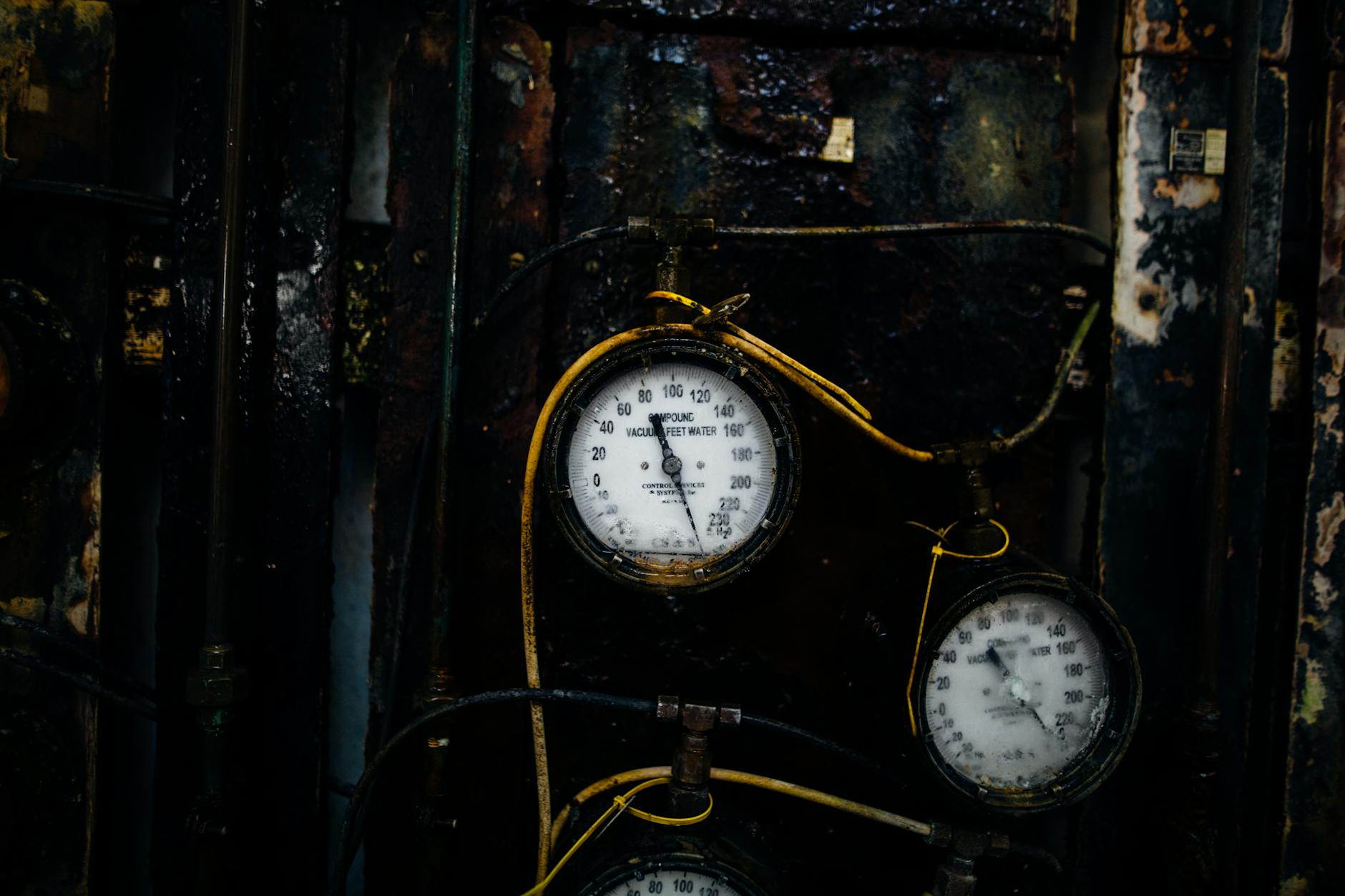
Every pool filter has a pressure gauge mounted on top of or near the filter tank. This gauge measures the water pressure inside the filter as your pump pushes water through it. When the filter media (sand, cartridges, or DE grids) is clean, water flows through easily and pressure stays low. As debris accumulates, water has to work harder to push through, and pressure climbs.
The critical number to know is your baseline pressure, which is the reading your gauge shows right after a fresh cleaning or backwash cycle. Every pool is slightly different, but most residential systems run clean baselines somewhere between 8 and 15 PSI. Write that number down on a piece of tape and stick it near your equipment pad. That baseline is your personal reference point.
A pressure rise of 8-10 PSI above that baseline is the standard industry trigger point for cleaning, according to the Association of Pool and Spa Professionals (APSP). So if your clean baseline is 12 PSI and you're now reading 20 PSI or higher, your filter is telling you it's full. Jacksonville pools often hit that trigger point faster than homeowners expect, because our climate gives filters more work to do, more months per year.
Jacksonville averages 233 sunny days per year and pool owners here use their pools 10 or more months annually. That extended season means filters accumulate more debris, more sunscreen residue, and more organic material than pools in states with a true off-season. Add in Northeast Florida's notorious spring pollen season and afternoon thunderstorms that wash organic matter into pools, and you have a recipe for filters that need more frequent attention than the manufacturer's generic recommendations suggest.
Pool Filter Pressure Rising: Causes and Cleaning Solutions by Filter Type
There are three filter types you'll find on Jacksonville pools. Each has a different reason for pressure buildup and a different cleaning method. Knowing which one you have determines everything about how you respond.
Sand Filters
Sand filters are common on older Jacksonville pools and many builder-grade installations. They push water through a tank of silica sand that traps particles as small as 20-40 microns. Over time, the sand itself becomes coated with oils, minerals, and fine debris. Channeling, where water carves paths through the sand instead of filtering through it, can also develop and actually lower pressure artificially while reducing filtration quality.
What causes pressure to rise: Accumulated debris in the sand bed, algae growth within the tank, and calcified buildup from hard water (which Jacksonville's water supply can contribute to).
The fix: Backwashing. Turn your multiport valve to the backwash setting and run the pump for 2-3 minutes until the sight glass runs clear. Then switch to the rinse setting for 30-60 seconds to re-settle the sand before returning to filter mode. If your pressure spikes repeatedly within a day or two of backwashing, your sand may be channeled, oil-saturated, or simply past its useful life. Sand typically needs replacement every 5-7 years.
A pool filter cleaner approved by the EPA's Safer Choice program can help dissolve oils and minerals from aging sand before you decide to replace it entirely.
Cartridge Filters
Cartridge filters are popular in Nocatee, St. Johns County, and newer neighborhoods throughout the Jacksonville area, partly because they don't require backwashing and use less water. They contain pleated polyester filter elements that trap debris down to 10-15 microns, making them quite effective at catching fine particles.
What causes pressure to rise: Clogged pleats from organic debris, sunscreen and body oil buildup, algae, and fine silt from Florida's sandy soil. Cartridges in Jacksonville pools can get surprisingly clogged after a heavy rain event that washes surface debris into the pool.
The fix: Remove and rinse. Turn off the pump, release the air bleeder valve to relieve pressure, then open the tank and remove the cartridge. Rinse it with a garden hose using a straight stream (not a pressure washer, which can damage the pleats) from top to bottom. For a thorough cleaning, soak the cartridge overnight in a cartridge cleaning solution or a 10-to-1 water-to-muriatic acid solution to dissolve mineral scale. Rinse thoroughly before reinstalling. Replace cartridges every 2-3 years or when the pleats show damage.
DE (Diatomaceous Earth) Filters
DE filters offer the finest filtration available, capable of catching particles as small as 2-5 microns. They use a powder made from fossilized algae (diatomaceous earth) coated over internal grids to create the filter media. They're common on high-end pools in Ponte Vedra Beach and Mandarin where water clarity is a priority.
What causes pressure to rise: The DE powder itself clogs with debris, oils, and algae over time. Torn or cracked grids can also cause DE powder to pass through into the pool, which actually lowers pressure but creates a different, more serious problem.
The fix: Backwash and recharge. Backwash the DE filter the same way you would a sand filter, running until the sight glass clears. But with DE filters, you must add fresh DE powder after every backwash because the old DE is flushed out along with the debris. The standard recharge amount is one pound of DE per 10 square feet of filter area, added through the skimmer with the pump running. For a deep clean, partially disassemble the tank, remove the grids, and spray them down individually. This should be done at least once per season.
If you have a saltwater pool system, note that salt water can accelerate scale buildup on DE grids, making quarterly deep cleaning more important than annual.

Other Causes Beyond a Dirty Filter
High filter pressure isn't always just about a dirty filter. A few other situations can push readings up in ways that cleaning alone won't fix.
- Algae bloom: A green or cloudy pool overwhelms the filter rapidly. If you're dealing with a Green Pool Recovery situation, pressure will spike fast as the filter works to clear the bloom. Shock treatment and filtration together are needed.
- Closed or partially closed valves: A valve on the return line that's been accidentally closed creates backpressure that reads as high filter pressure. Check all valves before assuming the filter is dirty.
- Air in the system: Air pockets in the filter tank or plumbing can cause erratic pressure readings. The air bleeder valve on top of the filter is designed to release trapped air.
- A failing pressure gauge: Gauges can fail or stick, especially after years of Florida sun and humidity. If your gauge reads maximum pressure even right after cleaning, the gauge itself may need replacement. They're inexpensive ($10-$25) and easy to swap.
- Equipment sizing issues: A pump that's too large for the filter creates chronic high pressure. This is worth a professional evaluation, especially if you've recently upgraded your pump.
Common Mistakes Jacksonville Homeowners Make
1. Not Knowing Their Baseline Pressure
This is the single most common setup failure we see. Without a written baseline, homeowners have no idea whether 18 PSI is normal for their system or a red flag. Take a reading right after your next cleaning and write it on a piece of tape stuck near the gauge. Without that number, you're guessing, and guessing leads to either cleaning too rarely or panicking unnecessarily.
2. Backwashing Too Often (or Not Often Enough)
Some homeowners backwash their sand filter on a weekly schedule regardless of what the pressure gauge shows. This wastes water and actually hurts filtration, because a slightly loaded filter catches fine particles better than a freshly cleaned one. On the flip side, waiting until the water turns cloudy to check pressure means you've already let the problem go too far. Let the gauge, not the calendar, tell you when to backwash.
3. Using a Pressure Washer to Clean Cartridge Elements
This one is so common and so damaging. A pressure washer tears the polyester pleats on cartridge filter elements, reducing the surface area available for filtration and leaving microscopic holes that let debris pass straight through. A garden hose with a straight-stream nozzle is all you need. The goal is rinsing debris out of the pleats, not blasting them apart.
4. Skipping the Filter After a Rainstorm or Pool Party
Jacksonville's summer storm season dumps rain almost daily, and every major storm pushes organic debris, tannins, and dirt into your pool. A pool party adds sunscreen, body oils, and other contaminants at a rate that can overwhelm a filter in hours. After either event, check your pressure and be prepared to clean the filter sooner than your usual schedule. Northeast Florida's weather patterns don't follow a neat maintenance calendar.
5. Ignoring High Pressure and Hoping It Resolves
A clogged filter doesn't unclog itself. Running your system at elevated pressure for extended periods strains the pump motor, which is working harder than it should to push water through a restricted filter. Pump motor replacements in Jacksonville run $400-$900 or more depending on the unit. That's a significant expense that a timely filter cleaning, which costs a fraction of that, would have prevented entirely. High pressure is a warning, not a nuisance to ignore.
DIY vs. Hiring a Professional in Jacksonville
Here's an honest breakdown of when you can handle filter pressure issues yourself and when it's worth calling in help.
When DIY Makes Sense
If you have a sand filter, know how to operate your multiport valve, and your pressure drops back to baseline after a backwash, you're in great shape to manage this on your own. Backwashing is genuinely straightforward and takes about five minutes. Cartridge cleaning is also very manageable for most homeowners, provided you have access to the filter tank and can lift the cartridge elements safely.
Routine maintenance tasks like these are well within the abilities of an engaged homeowner. The APSP recommends that pool owners understand the basic operation of their filter system, and we agree. Learning your equipment is worth the time.
When to Call a Pro
Call a professional if your pressure returns to normal after cleaning but spikes again within 24-48 hours. That pattern suggests an underlying issue, like a severe algae problem, channeled sand, torn DE grids, or an oversized pump that professional diagnosis can identify quickly.
Also call a pro if you're seeing any of these alongside high pressure: water returning to the pool with a milky or cloudy appearance, DE powder in the pool water, visible cracks in filter tank components, or a pump that's running hotter or louder than usual. These go beyond filter cleaning and into pool equipment repair territory.
Clean & Clear Pools has completed thousands of jobs across Jacksonville and carries a 5.0-star Google rating across 135 verified reviews, which reflects the kind of diagnostic experience that helps homeowners avoid expensive mistakes. Our technicians see filter issues on every type of pool in every Jacksonville neighborhood, from Fleming Island to Southside, and that pattern recognition matters when something isn't adding up.
If you're on a weekly pool cleaning service plan, filter pressure monitoring is included. Your technician checks it every visit, so pressure problems rarely develop into emergencies.
What to Expect: Cost Breakdown for Jacksonville
Pool filter maintenance is one of the more affordable aspects of pool ownership when handled proactively. Here's what Jacksonville homeowners typically spend at different levels of intervention.
DIY Filter Maintenance Costs
- Cartridge filter cleaner solution: $15-$40 per bottle (lasts multiple cleanings)
- Replacement cartridge elements: $40-$120 per element, depending on filter size and brand
- DE powder (50 lb bag): $30-$55 at local pool supply stores
- Replacement pressure gauge: $10-$25
- Sand replacement (materials only): $30-$80 for a standard residential tank
Professional Service Costs
- Filter cleaning service (one-time): $75-$150 depending on filter type and condition
- Full DE filter teardown and grid inspection: $100-$200
- Sand replacement (labor and materials): $150-$350
- Cartridge element replacement (labor and materials): $100-$300 depending on system
- Weekly pool service plan (includes filter monitoring): $120-$200 per month depending on pool size and service level
The Cost of Neglect
Pump motor replacement from running a clogged filter too long: $400-$900. Emergency algae treatment after filtration failure: $200-$500 for chemicals and labor. A filter housing crack from sustained pressure: $250-$600 to repair. Every one of those scenarios is avoidable with $75-$150 in proactive maintenance. Think of filter service the same way you think of an oil change, a small regular expense that protects a much larger investment.
Your pool is also a genuine component of your home's value. In Jacksonville's real estate market, particularly in neighborhoods like Nocatee, Ponte Vedra Beach, and St. Johns County, a well-maintained pool with documented service history adds real equity. Deferred maintenance does the opposite. If you'd like to learn more about pool service in Nocatee or pool service in Mandarin, we cover both areas regularly.
Pro Tips from Our Jacksonville Team
These are the things our technicians, who between them have serviced thousands of pools across Duval and St. Johns counties, wish every Jacksonville pool owner knew.
Tip 1: Record Your Baseline After Every Filter Service
Every time you clean your filter or have it professionally serviced, note the post-clean pressure reading and the date. Keep a simple log on your phone or on paper near the equipment. After a few months, you'll notice patterns: maybe your filter climbs 8 PSI in about three weeks during summer but takes five or six weeks in winter. That local knowledge of your own pool is genuinely valuable.
Tip 2: Check Pressure More Often During Pollen Season
Jacksonville's spring pollen season typically runs from February through April, and it is aggressive. The live oaks, pines, and grasses in Northeast Florida produce a blanket of pollen that settles directly into pool water. During peak pollen weeks, check your filter pressure every 3-4 days. You'll likely clean your cartridges or backwash more frequently during this window, and that's completely normal. Staying ahead of it prevents cloudiness from developing.
Tip 3: Don't Rely Solely on Visual Water Clarity
Clear water is not proof that your filter is working properly. A clogged filter can still produce reasonably clear-looking water for a time, especially if your chemical balance is good. The pressure gauge is a more reliable indicator of filter health than the appearance of the water. Check the gauge proactively, not reactively.
Tip 4: Rinse Cartridges in the Shade
This sounds minor, but it matters in Jacksonville summers. Hosing off a cartridge filter element in direct sun causes it to dry and potentially crack while you're working with it. Do the cleaning in the shade or during cooler morning hours. It also makes the job more pleasant when the heat index is over 100 degrees in July.
Tip 5: Inspect Your Filter O-Rings Annually
Every time you open your filter tank for cleaning, take 30 seconds to inspect the lid O-ring. Florida's UV exposure and heat cause rubber O-rings to crack and flatten over time. A failing O-ring causes air to enter the system, which creates erratic pressure readings and can air-lock your pump. O-rings cost $5-$15 and take two minutes to replace. Finding one that's starting to crack during a routine clean is much better than dealing with a pump air lock on a 95-degree Saturday afternoon.
Tip 6: Consider a Pressure Gauge with a Glycerin-Filled Dial
Standard dry pressure gauges bounce and vibrate with pump pulses, which wears out the internal mechanism faster. Glycerin-filled gauges dampen that movement and last significantly longer in Florida's conditions. They're only slightly more expensive ($20-$40 vs. $10-$25 for standard gauges) and give a more stable, readable display. It's a small upgrade that our team recommends to almost every homeowner during filter service visits.
The Florida Department of Health's aquatic facility guidelines also note that proper filtration is foundational to pool water safety, not just clarity. A filter running at excessive pressure isn't providing adequate turnover, which matters for both cleanliness and swimmer health.
For homeowners in Fleming Island, our pool service in Fleming Island team is familiar with the specific equipment configurations common in that area, including some older multiport valve setups that need special attention during backwash cycles.
According to the Consumer Product Safety Commission's Pool Safely program, properly functioning filtration and circulation systems are key components of a safe backyard pool environment. Pressure monitoring is part of that picture.
Frequently Asked Questions
What is a normal pool filter pressure reading in Jacksonville?
Normal pressure varies by system, which is why knowing your personal baseline matters more than any generic number. That said, most residential pool filters in Jacksonville run clean baselines between 8 and 15 PSI after a fresh cleaning. Some larger filters or systems with longer plumbing runs may run slightly higher. The key is to note your own system's post-clean reading and treat anything 8-10 PSI above that as your cleaning trigger. If you're unsure what your baseline should be, a pool service professional can assess your specific system and give you a reliable reference point.
How often should I clean or backwash my pool filter in Jacksonville?
In Jacksonville's climate, most pools require filter cleaning or backwashing every 4-6 weeks during the active swim season, which runs roughly March through November here. During heavy pollen periods in spring or after major storm events, that interval can compress to 2-3 weeks. In the cooler months of December and January, when pool use and organic load are lower, you may stretch to 6-8 weeks between cleanings. Let your pressure gauge guide you rather than sticking to a rigid schedule, since Jacksonville weather and pool usage are variable.
Can high filter pressure damage my pool pump?
Yes, and this is one of the most important reasons not to ignore a rising pressure gauge. When water has difficulty flowing through a clogged filter, the pump motor has to work significantly harder to maintain flow. Running under that strain for extended periods causes the motor to run hotter, accelerates bearing wear, and can shorten the motor's life substantially. Pump motor replacements in Jacksonville typically run $400-$900 or more depending on the unit and horsepower. That expense is almost always avoidable with timely filter maintenance that costs a fraction of that amount.
My pressure drops back to normal right after backwashing but spikes again within a day or two. What's wrong?
Rapid pressure recovery after backwashing usually points to one of a few underlying problems. An active algae bloom is the most common culprit, as algae cells overwhelm the filter media quickly and will continue to do so until the bloom is chemically treated. Channeled or oil-saturated sand in a sand filter is another possibility, where the sand is no longer filtering effectively and may need replacement. Torn DE grids that are allowing bypass are another cause. If this pattern is repeating, a professional inspection is warranted, because backwashing alone won't solve any of these underlying issues.
How do I know if my pool filter needs to be replaced rather than cleaned?
Cartridge filter elements typically last 2-3 years with proper maintenance. Signs that cleaning won't help anymore include visible tears or holes in the pleated fabric, crushed or deformed pleats that won't rinse out, a strong chemical smell that persists after soaking, or pressure that won't drop to baseline even after a thorough cleaning and soak. DE filter grids last 5-10 years but should be inspected annually for cracks. Sand in a sand filter typically needs replacement every 5-7 years. If you're uncertain, a pool service professional can evaluate your elements and give you an honest assessment.
Is it normal for filter pressure to fluctuate during the day?
Minor fluctuations of 1-2 PSI throughout the day are normal and are typically related to water temperature changes, variations in pump speed (on variable-speed pump systems), and the amount of debris entering the pool at different times of day. A sudden spike of several PSI that wasn't there an hour ago, however, is worth investigating. It could indicate a large amount of debris entering the pool, a partially closed valve, or air entering the system. Consistent readings are what you want to see, and anything dramatically different from your baseline deserves attention.
What should I look for when hiring a pool filter service company in Jacksonville?
Start with verified online reviews from local customers, ideally on Google, where reviews are harder to fabricate than on some other platforms. Look for a company that has a physical Jacksonville presence and a documented track record of local service. Ask whether the company employs Certified Pool Operators (CPO) or similar credentialed technicians. Transparency on pricing before work begins is essential. A reputable company will explain what they found, what they did, and why, not just hand you a bill. Companies with long histories in specific Jacksonville neighborhoods tend to understand local equipment quirks and water chemistry better than those without that local experience.
Does my pool filter pressure affect my water chemistry?
Indirectly, yes. A clogged filter reduces water circulation and turnover rate, meaning pool water isn't moving through the sanitization and chemical mixing process as efficiently as it should. This can lead to uneven chemical distribution, areas of low sanitizer concentration, and conditions that favor algae growth even if you're adding chemicals on schedule. According to the Association of Pool and Spa Professionals, proper turnover rate (typically the full pool volume cycling through the filter every 6-8 hours) depends on the filter operating at normal pressure. When pressure is high, turnover rate drops and chemistry suffers as a result.
Should I be concerned about water waste from backwashing in Jacksonville?
It's a fair question, especially as water conservation awareness grows in Northeast Florida. A standard backwash cycle uses roughly 250-500 gallons of water depending on your filter size and how long you run the cycle. The Jacksonville Electric Authority (JEA) recommends awareness of water usage in residential settings. Backwashing only when your pressure gauge calls for it (rather than on a rigid weekly schedule) is the simplest way to minimize waste while keeping your filter clean. Cartridge filter systems, which don't require backwashing at all, are a good option for homeowners looking to reduce water usage from filter maintenance.
Ready to Get Started?
If your pool filter pressure is rising and you're not sure whether it needs a simple cleaning or something more, our team is ready to help. Clean & Clear Pools is a locally owned Jacksonville pool service company with a 5.0-star Google rating based on 135 verified customer reviews and thousands of completed jobs across Duval and St. Johns counties. We service pools in Jacksonville, Ponte Vedra Beach, Mandarin, Nocatee, St. Johns, Fleming Island, Southside Jacksonville, and surrounding communities.
Whether you need a one-time filter cleaning, a full equipment inspection, or a weekly pool cleaning plan that handles all of this for you, we'd love to help you protect your pool investment.
Call us at (904) 747-8788 or Request a Free Estimate and we'll get you scheduled quickly.
Clean & Clear Pools is located at 7643 Gate Parkway, Suite 104-1230, Jacksonville, FL 32256. You can also reach us at (904) 747-9636. We look forward to keeping your pool clean, clear, and running the way it should, all year long.