Key Takeaways
- St. Johns and greater Jacksonville pools run 10+ months per year, putting significantly more wear on pumps, filters, and heaters than pools in cooler climates.
- Early warning signs like unusual noises, poor circulation, or rising chemical costs almost always point to a repairable equipment issue before it becomes a costly replacement.
- Most common pool equipment repairs in St. Johns range from $75 to $800 depending on the component, with full equipment replacements running $500 to $3,500+.
- DIY repairs are reasonable for minor tasks like replacing o-rings or cleaning filter cartridges, but motors, electrical components, and gas heaters require a licensed professional.
- Clean & Clear Pools holds a 5.0-star Google rating across 135 verified reviews and has completed thousands of jobs across St. Johns, Nocatee, Mandarin, and the greater Jacksonville area.
Quick Answer: If you're searching for pool equipment repair near you in St. Johns, FL, you need a licensed local technician who understands Florida's humidity, extended swim season, and the specific demands placed on pool equipment in Northeast Florida. Common repairs include pump motor replacements, filter cleaning and repair, heater troubleshooting, and automation system fixes, with most services completed within one to three business days.
Your pool is one of the most-used features of your St. Johns home, and that's not an accident. Jacksonville averages 233 sunny days per year, and in a community like St. Johns, where neighborhoods like Durbin Crossing, Julington Creek, and RiverTown are filled with backyard pools, the swim season runs from roughly March through November and then some. That extended use is exactly why pool equipment in this area tends to wear faster than national averages suggest.
When a pump starts making strange noises, a filter stops doing its job, or your pool water turns cloudy overnight, most homeowners immediately wonder whether they're looking at a simple fix or an expensive replacement. The good news is that most pool equipment problems, when caught early, are completely repairable. This guide will walk you through everything you need to know to make a smart, confident decision for your home.

Understanding Pool Equipment: What Every St. Johns Homeowner Should Know
Your pool is a system, not just a hole in the ground filled with water. Every component, from the pump and filter to the heater, salt cell, and automation controller, works together to keep water clean, safe, and comfortable. When one part fails, the entire system suffers.
The main components you'll encounter on a residential pool in St. Johns include:
- Pool Pump: The heart of your system. It circulates water through the filter and back into the pool. Variable-speed pumps are now the standard in Florida because of energy efficiency requirements.
- Filter: Removes debris, algae spores, and fine particles. Most St. Johns homes have cartridge filters, though sand and DE (diatomaceous earth) filters are also common.
- Heater or Heat Pump: Extends your swim season and keeps water comfortable during Florida's mild winters. Gas heaters and electric heat pumps both require periodic service.
- Salt Chlorine Generator (Salt Cell): Increasingly popular in St. Johns new construction, these convert salt into chlorine and require regular cleaning and cell replacement every three to five years.
- Automation System: Controls lighting, pump speeds, heater, and water features from a smartphone or control panel. Electrical connections and software issues are common service calls.
- Pool Cleaner: Robotic, suction-side, or pressure-side cleaners all have mechanical components that wear over time.
According to the Association of Pool and Spa Professionals (APSP), proper equipment maintenance is one of the most effective ways to extend the life of a pool and reduce the total cost of ownership over time. A neglected pump that fails prematurely can cost two to three times more than a pump that received routine service.
Florida's climate adds specific stressors. The combination of high humidity, heat, UV exposure, and a long operating season means that components like o-rings, seals, gaskets, and plastic housings degrade faster here than they would in, say, Ohio. That's not a scare tactic. It's just the reality of owning a pool in Northeast Florida, and knowing it helps you plan ahead.
Common Pool Equipment Problems in St. Johns and How to Identify Them
Knowing what's wrong before you call a technician puts you in a better position to ask the right questions and evaluate the answers you get. Here's a breakdown of the most common equipment problems we see across St. Johns, Nocatee, and surrounding communities.
Pump Problems
The pump is the single most common service call we receive. Warning signs include loud grinding or screeching noises (usually a failing motor bearing), air bubbles returning to the pool (suction-side air leak), water leaking from the pump housing (worn shaft seal or o-ring), and the pump failing to prime after being shut off.
In many cases, a pump can be repaired by replacing the motor, shaft seal, or capacitor rather than replacing the entire unit. However, if the pump housing itself is cracked or the impeller is damaged, full replacement is often the more economical long-term choice.
Florida's ENERGY STAR program certifies variable-speed pool pumps that can reduce pump energy costs by up to 90% compared to single-speed models. If your single-speed pump needs replacement anyway, upgrading to a variable-speed model is almost always worth the additional upfront cost in the Jacksonville climate where pools run most of the year.
Filter Issues
A filter that's doing its job keeps water sparkling clear. When you notice cloudy water, short filter cycles, or pressure readings outside the normal operating range, the filter is usually the culprit. Cartridge filters in St. Johns typically need deep cleaning every three to six months and full replacement every two to four years, depending on pool usage and bather load.
Our Pool Filter Cleaning service is one of the most common preventive tasks we perform across the St. Johns area. It's also one of the most overlooked by homeowners who assume the filter is fine until the water tells them otherwise.
Heater and Heat Pump Failures
Gas heaters are prone to scale buildup on the heat exchanger, pilot light issues, and corrosion of the burner tray, especially in our humid coastal air. Heat pumps can develop refrigerant issues, frozen evaporator coils, and failing fan motors. Never attempt to service a gas heater yourself. Gas connections and combustion components require a licensed technician, both for safety and to maintain warranty coverage.
Salt Cell Degradation
If you own a saltwater pool in Nocatee or RiverTown and you're noticing that your chlorine levels are dropping even though the cell is running, the salt cell may be scaled or nearing the end of its useful life. Cells need cleaning with a mild acid solution every three months and replacement every three to five years on average.
Automation and Electrical Issues
From Jandy to Pentair to Hayward, automation systems are increasingly common in newer St. Johns homes. Tripped breakers, communication errors, or unresponsive controls are often traced to water intrusion in the control panel, failing relays, or software that needs a reset or update. Electrical troubleshooting on pool equipment should always be handled by a professional. The Consumer Product Safety Commission reports that electrical hazards in and around pools are a leading cause of pool-related injuries and fatalities, which is why this is one area where we strongly recommend against DIY work.
Common Mistakes Jacksonville Homeowners Make With Pool Equipment
1. Ignoring Early Warning Signs
A pump that hums a little louder than usual or a filter pressure gauge that creeps up slightly are easy to dismiss. Most homeowners wait until something stops working entirely before calling for help. That delay almost always turns a $150 repair into a $600 replacement. When your equipment is telling you something, listen early.
2. Running the Pump During Peak Hours to "Save Time"
Jacksonville Electric Authority (JEA) customers on time-of-use rates can significantly reduce their electric bills by scheduling pump operation during off-peak hours, typically overnight or in the early morning. Many homeowners run their pumps during the hottest part of the day without realizing the cost impact. A properly programmed variable-speed pump paired with smart scheduling can save $400 to $700 annually on electricity bills for a Jacksonville-area pool.
Visit JEA's energy savings resources for current rate information and rebate programs that may apply to pool pump upgrades.
3. Using a Handyman Instead of a Licensed Pool Technician
We understand the appeal of calling a general handyman for what seems like a simple fix. But pool equipment, especially gas heaters, electrical systems, and salt cells, requires specific licensing and training in Florida. Work performed by an unlicensed contractor can void equipment warranties, create safety hazards, and potentially create code violations that surface during a home sale.
4. Skipping Regular Filter Cleaning
Dirty filters force your pump to work harder, which shortens the motor's life and increases electricity consumption. In St. Johns, where pools run nearly year-round, filters need cleaning more frequently than the generic manufacturer schedule suggests. If you're only cleaning your cartridge filter once a year, you're likely running on a dirty filter for most of the swimming season.
5. Letting a Green Pool Sit While Waiting for Repair
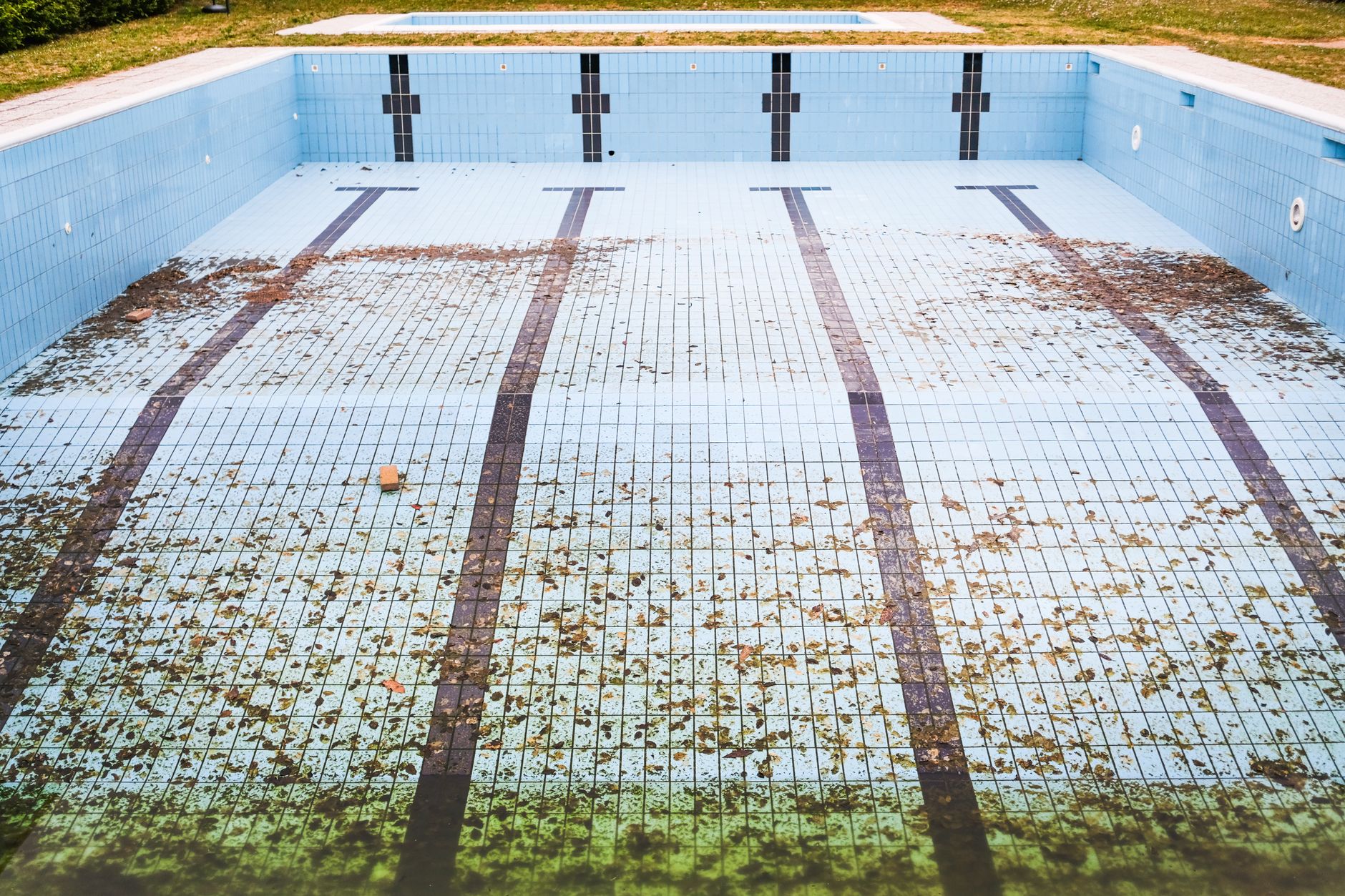
If your equipment goes down and you notice the water starting to turn green, don't wait. A green pool is a pool with active algae growth, and the longer it sits, the more expensive the recovery becomes. We've seen pools that sat for two or three weeks with broken equipment turn into multi-day remediation projects. If you're dealing with this situation, check out our Green Pool Recovery service to understand what's involved and how quickly we can help.
DIY vs. Hiring a Professional in Jacksonville
We're not going to tell you that every pool equipment task requires a professional, because that's not true or fair to homeowners who are reasonably handy. Here's an honest breakdown.
Tasks most homeowners can handle safely:
- Replacing pool filter cartridges (straightforward, no tools required on most models)
- Cleaning a salt cell with a mild acid solution (following manufacturer instructions carefully)
- Replacing a pool pump lid o-ring or basket
- Resetting an automation system or updating firmware on a smart controller
- Backwashing a sand or DE filter
- Clearing a clogged skimmer or pump basket
Tasks that require a licensed professional in Florida:
- Any gas heater service, repair, or installation
- Electrical wiring, breaker work, or control panel repairs
- Motor replacement (requires proper wiring and bonding connections)
- Plumbing repairs involving cutting and gluing PVC under the equipment pad
- Salt cell replacement on systems still under warranty (to preserve coverage)
- Any work requiring permits under the Florida Building Code
The Clean & Clear Pools team has completed thousands of jobs across Jacksonville, and we'll be the first to tell you: the calls that cost homeowners the most money are almost never the original problem. They're the damage caused by a DIY attempt that went sideways. We see it regularly, especially with pump wiring and plumbing repairs. If there's any doubt, a diagnostic call is almost always worth the cost.
For homeowners in St. Johns considering weekly pool cleaning alongside equipment service, bundling those services with the same company also makes it easier to catch equipment issues early during routine visits before they become emergencies.
What to Expect: Cost Breakdown for Jacksonville
Pool equipment repair costs in St. Johns and Jacksonville vary based on the component, the severity of the issue, and whether parts need to be ordered. Here are realistic ranges based on what homeowners in this market typically pay.
| Repair Type | Typical Cost Range |
|---|---|
| Pump motor replacement | $350 to $650 |
| Full pump replacement (variable-speed) | $900 to $1,800 |
| Pump seal or o-ring repair | $75 to $200 |
| Filter cartridge replacement | $80 to $250 depending on size |
| Salt cell replacement | $300 to $700 |
| Gas heater repair | $200 to $600 |
| Gas heater replacement | $1,500 to $3,500+ |
| Automation system repair | $150 to $500 |
| Diagnostic / service call | $75 to $150 (typically applied to repair) |
Think of pool equipment repair as an investment in your home's value, not just a maintenance expense. In Northeast Florida's real estate market, a functional, well-maintained pool adds meaningful value to a home. According to the National Association of Home Builders, outdoor amenities including pools rank among the top features buyers in warm-weather markets expect and are willing to pay a premium for.
A pool with broken or aging equipment, on the other hand, can raise red flags during a home inspection and give buyers leverage to negotiate down. Keeping your equipment in good repair protects both your enjoyment and your equity.
Pro Tips from Our Jacksonville Team
After completing thousands of pool equipment service calls across Jacksonville, Nocatee, Ponte Vedra, and St. Johns, our team has developed a clear picture of what separates pools that thrive for decades from those that cost their owners a small fortune in avoidable repairs.
1. Write down your equipment's model and serial numbers now. Before anything breaks, take five minutes to record the make, model, and serial number of your pump, filter, heater, and salt cell. Store them in your phone or a home binder. When something fails, this information speeds up parts ordering significantly and prevents the frustrating situation of waiting an extra week because a technician has to track down an old model number.
2. Know your normal pressure gauge reading. Every pool filter has a pressure gauge, and every pool has a "normal" baseline pressure when the filter is clean. Write that number down. When pressure rises 8 to 10 PSI above your baseline, it's time to clean the filter. Most homeowners have no idea what their baseline is and either clean too early or too late.
3. Check your equipment pad after every major storm. Northeast Florida's storm season is intense, and equipment pads take a beating. After a significant storm, do a quick visual check for debris around the pad, tripped breakers, waterlogged control panels, and displaced pipes. Catching a loose connection or a breaker issue right after a storm prevents bigger problems down the road. The Florida Department of Health also recommends testing and rebalancing pool water chemistry after heavy rainfall, since dilution and debris can significantly shift pH and chlorine levels.
4. Schedule a pre-summer equipment inspection every March. By the time spring break arrives, St. Johns pools are running at full capacity. March is the ideal time for a professional equipment check before peak demand. We find more potential problems in March tune-ups than at any other time of year, and catching them before the busy season means faster service and lower repair costs.
5. Don't run your pump dry. If you're draining your pool for resurfacing or repair, make sure the pump is turned off before water drops below the skimmer line. Running a pump dry, even briefly, can destroy the mechanical seal and burn out the motor within minutes. It's a surprisingly common and entirely avoidable cause of pump replacement calls.
6. Pair equipment service with routine cleaning for the best value. Our team, which has earned a 5.0-star Google rating across 135 verified customer reviews, consistently finds that homeowners who combine weekly cleaning with regular equipment service spend less on repairs annually than those who only call when something breaks. Routine cleaning visits catch small issues before they escalate. It's the same logic as an oil change catching low brake fluid before your brakes fail.
We serve homeowners throughout Nocatee, Mandarin, Southside Jacksonville, and all of the St. Johns area. See our full service area for a complete list of neighborhoods we cover.
Frequently Asked Questions
How much does pool equipment repair cost in St. Johns, FL?
Pool equipment repair costs in St. Johns generally range from $75 for a minor seal or o-ring replacement up to $1,800 or more for a full pump replacement. Filter cartridge replacement typically runs $80 to $250, salt cell replacement is usually $300 to $700, and gas heater repairs fall between $200 and $600. The final cost depends on the component involved, whether parts need to be ordered, and the complexity of the repair. Most diagnostic or service call fees run $75 to $150 and are typically credited toward the repair if you proceed with the work.
How long does pool equipment repair take in Jacksonville?
Most pool equipment repairs in the Jacksonville area are completed within one to three business days once a diagnosis is made. Repairs that require common parts, like pump seals, filter cartridges, or capacitors, are often completed same-day or next-day since these items are typically kept in stock by local service companies. Less common parts, like specific salt cell models or specialty heater components, may require ordering and can add three to seven days to the timeline. During peak season from May through September, service schedules can be busier, so calling as soon as you notice a problem gives you the best shot at a quick turnaround.
What are the warning signs that my pool equipment needs repair?
Common warning signs include unusual noises from the pump (grinding, screeching, or humming louder than normal), air bubbles returning to the pool through the return jets, water leaking around the pump housing or filter, cloudy or green water that doesn't respond to chemical treatment, rising filter pressure that returns to high levels quickly after cleaning, and a pool that isn't reaching set temperature despite the heater running. Automation systems may show error codes, fail to respond to controls, or lose programming unexpectedly. Any of these signs is worth a diagnostic call, since early intervention almost always reduces the total cost of repair.
Do I need a licensed pool technician for repairs in Florida?
Florida requires licensing for many categories of pool service and repair work, particularly anything involving gas connections, electrical systems, and structural or plumbing changes. The Florida Department of Business and Professional Regulation (DBPR) governs pool contractor licensing in the state. For equipment like gas heaters, control panels, and pump wiring, using an unlicensed technician can void your equipment warranty, create safety risks, and potentially result in code violations that complicate a future home sale. Minor maintenance tasks like replacing filter cartridges or cleaning a salt cell can generally be handled by a careful homeowner, but when in doubt, calling a licensed professional is always the safer choice.
How often should pool equipment be serviced in Northeast Florida?
Because Jacksonville pools operate for 10 or more months per year, equipment here experiences significantly more wear than pools in northern climates. A good general schedule for St. Johns homeowners includes filter cartridge cleaning every three to four months, a full equipment inspection once per year (ideally in late winter or early spring), salt cell inspection and cleaning every three months if you have a saltwater pool, and a professional tune-up before peak summer season. Pairing these services with weekly pool cleaning makes it much easier to catch developing problems during routine visits rather than discovering them when something fails completely.
How do I choose a reliable pool equipment repair company in St. Johns?
Start by verifying that any company you consider holds a valid Florida pool contractor license, which you can check through the Florida DBPR online portal. Look for companies with substantial verified reviews on Google (not just a handful), a physical service address in the Jacksonville area, and clear communication about diagnostic fees and repair quotes before work begins. Be cautious of companies that quote repairs over the phone without a proper diagnosis, or that push for full equipment replacements without clearly explaining why repair isn't a viable option. A reputable company will give you honest options and let you make the decision based on complete information.
Can I repair my pool pump myself?
Some pump maintenance tasks are safe and practical for a capable homeowner. Replacing the lid o-ring, cleaning the pump basket, and clearing debris from the impeller are all reasonable DIY tasks. Motor replacement, however, involves wiring connections and bonding requirements that need to be done correctly for both safety and code compliance in Florida. Shaft seal replacement sits somewhere in the middle: it's mechanically straightforward but requires disassembling the wet end of the pump, and doing it incorrectly can lead to leaks or further motor damage. If you're not confident in your mechanical skills or if the pump involves any electrical work beyond simply plugging it in, a professional diagnosis is the right call.
What happens if I ignore a pool equipment problem?
Ignoring a pool equipment problem almost always results in a more expensive outcome. A failing pump bearing that makes noise will eventually seize the motor completely, turning a $200 repair into a $600 replacement. A clogged filter that forces the pump to work harder shortens motor life and increases monthly electricity costs. A leaking heater or corroded burner assembly that goes unaddressed can result in carbon monoxide risks or a complete heat exchanger failure costing thousands of dollars. Beyond the financial impact, a pool with failing circulation and filtration becomes a water quality and safety issue, with stagnant, under-filtered water creating conditions for harmful bacteria. Addressing problems early is almost always the less expensive and safer path.
Ready to Get Started?
If your pool equipment is giving you trouble in St. Johns, Nocatee, Mandarin, Ponte Vedra, or anywhere across Jacksonville, Clean & Clear Pools is ready to help. We're a locally owned home services company with a 5.0-star Google rating based on 135 verified customer reviews and thousands of completed jobs across Northeast Florida. We know this climate, these neighborhoods, and the specific demands that Florida pool ownership puts on your equipment.
Whether you're dealing with a noisy pump, a filter that's struggling to keep up, a heater that won't fire, or you simply want a professional set of eyes on your equipment pad before something goes wrong, our team will give you an honest diagnosis and straightforward options.
Call us today at (904) 747-8788 to speak with a local team member, or Request a Free Estimate online and we'll get back to you promptly.
We proudly serve homeowners in St. Johns, Nocatee, Ponte Vedra Beach, Mandarin, Southside Jacksonville, and throughout the greater Jacksonville area.
Clean & Clear Pools
7643 Gate Parkway, Suite 104-1230
Jacksonville, FL 32256
Phone: (904) 747-8788 or (904) 747-9636