Quick Answer: A pool chemical testing kit lets Jacksonville homeowners measure chlorine, pH, alkalinity, and other key water chemistry levels before problems develop. Given that Jacksonville pools are in use 10 or more months per year, testing at least twice per week during swim season is the standard most professionals recommend for safe, clear water.
Key Takeaways
- Jacksonville averages 233 sunny days per year, which means pool chemistry shifts faster here than in most U.S. cities.
- There are four main types of testing kits: test strips, liquid drop kits, digital testers, and photometric readers. Each has a different accuracy level and price point.
- Florida's heat and humidity accelerate chlorine burn-off, making consistent testing more critical than in cooler climates.
- Most Jacksonville homeowners should test their pool water at least twice a week from April through October and once a week in winter months.
- When chemistry stays out of range for too long, you risk algae blooms, equipment corrosion, and health hazards that cost far more to fix than prevention does.
If you own a pool in Jacksonville, you already know that keeping the water clear is not as simple as adding a little chlorine and calling it done. Between the intense UV exposure, afternoon thunderstorms, bather load from family gatherings, and the near-year-round swim season, your pool chemistry can swing out of balance faster than you might expect. A quality pool chemical testing kit is the tool that keeps you ahead of those swings rather than reacting to them after something goes wrong.
This guide was written specifically for Jacksonville homeowners, covering everything from choosing the right kit to understanding what the numbers actually mean for your pool, your family, and your wallet. Whether you live in Ponte Vedra Beach, Mandarin, Nocatee, St. Johns, or anywhere else around the First Coast, the local climate creates specific challenges that a one-size-fits-all approach simply cannot address.
By the end of this post, you will know exactly which testing kit fits your situation, how often to use it, what to do when your numbers are off, and when it makes more sense to call a professional than to troubleshoot on your own.
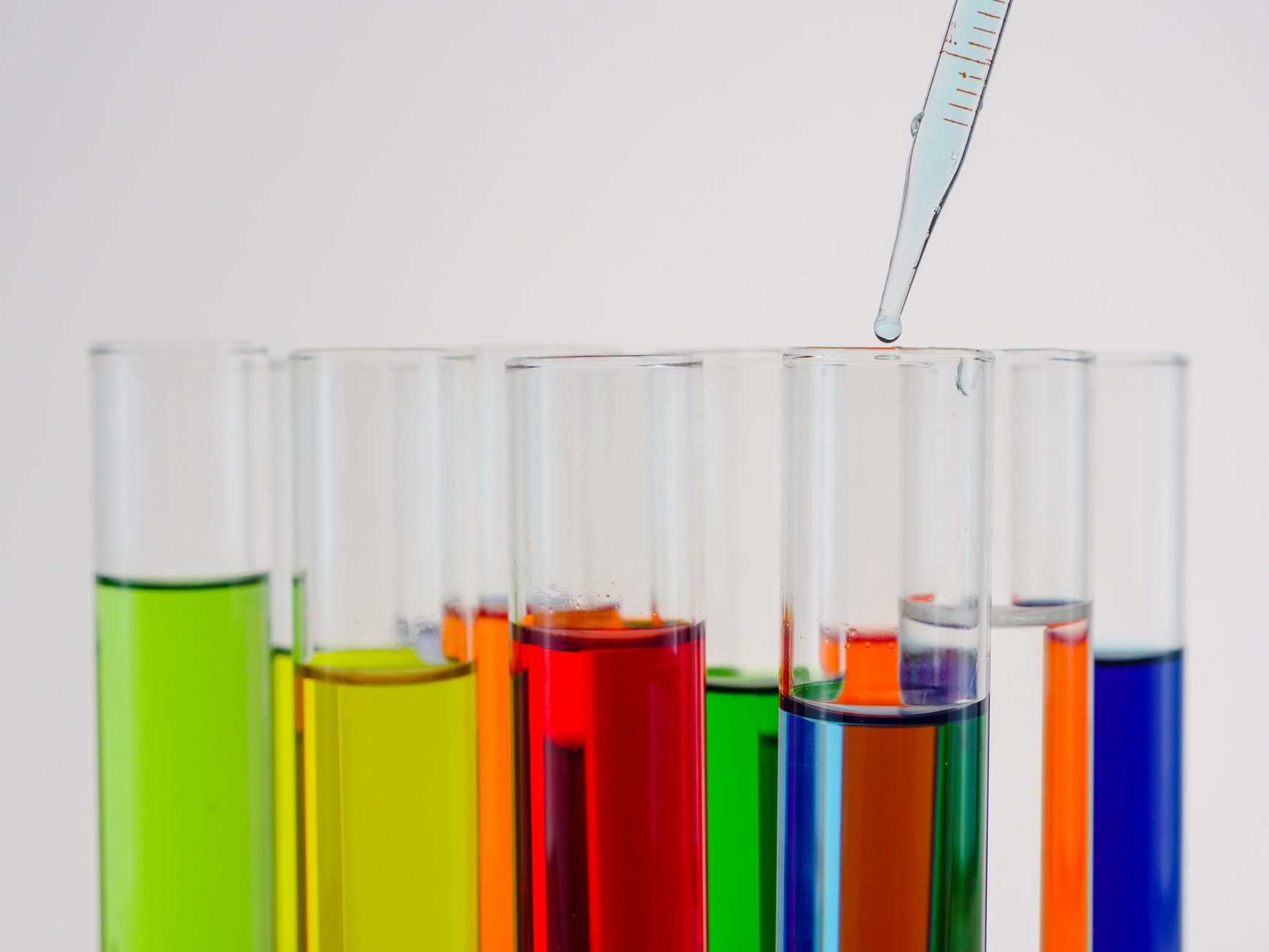
Pool Water Chemistry: What Every Jacksonville Homeowner Needs to Know
Before you can pick the right testing kit, it helps to understand what you are actually testing for. Pool chemistry is a balancing act involving several interdependent factors. Getting one wrong often throws off the others, which is why professionals talk about water chemistry as a system rather than a checklist.
The core parameters you need to monitor regularly include:
- Free Chlorine: The active sanitizer that kills bacteria, viruses, and algae. The ideal range is 1.0 to 3.0 parts per million (ppm). In Jacksonville's heat, chlorine can drop dramatically within hours of a sunny afternoon.
- pH: Measures how acidic or basic your water is. The ideal range is 7.2 to 7.6. Low pH corrodes equipment and irritates eyes and skin. High pH makes chlorine far less effective.
- Total Alkalinity: Acts as a buffer for pH, keeping it from swinging wildly. The ideal range is 80 to 120 ppm.
- Cyanuric Acid (CYA): A stabilizer that protects chlorine from being destroyed by UV rays. In Jacksonville's sunshine, CYA is not optional. The ideal range is 30 to 50 ppm.
- Calcium Hardness: Low calcium causes water to pull minerals from your plaster or grout. High calcium causes scaling. The ideal range is 200 to 400 ppm.
- Total Dissolved Solids (TDS): A catch-all measure of everything dissolved in the water. When TDS climbs too high, chemicals stop working efficiently.
According to the Florida Department of Health, properly maintained residential pools require consistent sanitizer levels and pH monitoring to prevent the spread of recreational water illnesses, including those caused by bacteria like E. coli and Cryptosporidium. This is not just about comfort. It is a genuine public health matter, especially in households with children.
Jacksonville's specific climate adds another layer of complexity. The city sits at roughly 30 degrees north latitude with long, hot summers and mild winters. Florida's intense UV index during peak summer months can consume a pool's entire chlorine supply in a single afternoon without proper CYA stabilization. And when afternoon thunderstorms roll in, which happens regularly from June through September, rainwater dilutes your chemistry and introduces contaminants. You can review more basics in our Pool Service FAQs.
Choosing the Right Pool Chemical Testing Kit for Your Jacksonville Pool
The testing kit market ranges from a two-dollar strip pack at a big-box store to a several-hundred-dollar photometric analyzer. Understanding the difference helps you match the right tool to your needs without overspending or underperforming.
Test Strips
Test strips are the most common entry point for homeowners. You dip a strip in the water, wait a few seconds, and match the colors on the strip to a printed chart on the bottle. Good-quality strips from brands like LaMotte or AquaChek can test for chlorine, pH, alkalinity, CYA, and calcium hardness all at once.
The upside is that strips are fast, inexpensive, and easy to use. The downside is accuracy. Color matching is subjective, especially in bright Florida sunlight, and strip accuracy degrades if the container is exposed to humidity, which is nearly unavoidable in a Jacksonville summer. Strips are best used for quick between-visit checks rather than precise adjustments.
Liquid Drop (Reagent) Kits
Liquid drop kits use liquid reagents that you add to a water sample in a small test tube. The water changes color, and you count the drops or compare colors to a chart. Taylor Technologies and LaMotte are the gold-standard brands used by most professional pool technicians.
Drop kits are significantly more accurate than strips and are the preferred method for serious DIYers. The Taylor K-2006 test kit, for example, tests for free and total chlorine, pH, alkalinity, CYA, and calcium hardness using industry-standard DPD chemistry. These kits cost between $40 and $80 and last a full season with regular use. The drawback is that reagents have a shelf life, typically one to two years, and must be stored away from heat and direct sunlight.
Digital Testers
Digital testers use electronic sensors to measure specific parameters like pH and ORP (oxidation-reduction potential, which correlates with sanitizer effectiveness). They eliminate color-matching subjectivity and are fast. Basic digital pH and chlorine meters run from $20 to $60, while more advanced models measuring multiple parameters can reach $150 or more.
Digital testers require regular calibration using buffer solutions. Skipping calibration is the most common reason homeowners get inaccurate readings. They are a great complement to a drop kit rather than a complete replacement for one.
Photometric Readers
Photometric readers use light-based technology to analyze a water sample and give precise digital readouts. The LaMotte SPIN Lab and similar devices can analyze a sample within 60 seconds and produce lab-level accuracy. These tools cost $300 or more and are primarily used by professional pool service companies. Some pool supply stores in the Jacksonville area offer free photometric water analysis if you bring in a sample, which is a useful resource for quarterly deep checks.

How Often Should You Test?
The Association of Pool and Spa Professionals (APSP) recommends testing residential pool water at least two to three times per week during peak use periods. Jacksonville's pool season runs roughly from March through November, with many homeowners using their pools year-round. During summer months, when temperatures regularly exceed 90 degrees and afternoon storms are frequent, testing daily is not excessive if you want to stay ahead of algae and maintain swimmer safety.
A practical testing schedule for most Jacksonville homeowners looks like this: test free chlorine and pH on Monday, Wednesday, and Friday. Test total alkalinity and CYA once a week. Test calcium hardness and TDS once a month. Bring a sample to a pool supply store for a comprehensive photometric analysis quarterly.
Common Mistakes Jacksonville Homeowners Make with Pool Testing Kits
1. Testing at the Wrong Time of Day
Many homeowners test their pool first thing in the morning because it is convenient. The problem is that morning readings can give you a misleading picture. Chlorine levels are naturally higher in the morning because UV rays have not yet burned through the overnight buildup. Test in the late afternoon, after peak sun exposure, for a reading that reflects how your pool chemistry actually performs under real conditions. This is especially relevant in Jacksonville, where UV intensity is among the highest in the continental United States from May through September.
2. Storing Test Kits Improperly
Jacksonville's heat and humidity are brutal on testing supplies. Test strips stored in a garage or pool shed that regularly reaches 90-plus degrees will degrade and give inaccurate readings long before the expiration date. Reagent solutions for drop kits can break down and turn, producing color shifts that are impossible to read correctly. Store your testing kit indoors, in a cool and dry location, and check expiration dates at the start of each season.
3. Ignoring Cyanuric Acid Levels
CYA is one of the most overlooked parameters among Jacksonville homeowners who are new to pool ownership. Without adequate CYA, Florida's UV index destroys chlorine within hours. But CYA levels that climb too high, above 80 to 100 ppm, make chlorine far less effective even when your readings look normal. This is called chlorine lock, and it is a frequent cause of algae blooms in pools that appear to have adequate chlorine. The fix for high CYA is partial water replacement, which is a hassle that is entirely preventable with regular testing.
4. Collecting the Water Sample Incorrectly
Where and how you collect your water sample matters more than most people realize. Always collect the sample at elbow depth, about 12 to 18 inches below the surface, away from return jets and skimmers. Surface water is disproportionately concentrated with sunscreen, body oils, and other contaminants, giving skewed readings. Water near return jets is freshly treated and does not reflect the overall pool chemistry accurately.
5. Treating Numbers in Isolation Instead of as a System
One of the most common DIY mistakes is correcting one chemical without considering its effect on the others. Adding a large dose of pH increaser, for example, often drives alkalinity up at the same time. Adding calcium hardness can affect pH. Chemicals interact, and adjusting them one by one without waiting and retesting can create a chemical correction loop that costs more in supplies and frustration than calling a professional from the start. Always adjust one parameter, wait at least an hour with the pump running, retest, and then adjust the next parameter if needed.
DIY vs. Hiring a Professional in Jacksonville
This is a genuinely useful question to answer honestly, because the right answer depends on your situation rather than a blanket recommendation either way.
DIY testing makes good sense if: You enjoy the process and are willing to learn. You have a relatively simple pool without a lot of specialty equipment. You can commit to a consistent testing schedule two to three times per week. You have the time to properly interpret results and make careful, measured adjustments. Plenty of Jacksonville homeowners manage their own chemistry successfully with a Taylor K-2006 kit and a little patience.
Professional service makes more sense if: Your schedule does not realistically allow for regular testing and treatment. You have had recurring algae problems, cloudy water, or corrosion issues that you cannot resolve on your own. You own a pool with a heater, saltwater system, or specialty features that require more nuanced chemistry management. You are new to pool ownership and still learning the fundamentals.
The team at Clean & Clear Pools has performed thousands of completed jobs across Jacksonville and the surrounding communities. With a 5.0-star Google rating based on 135 verified customer reviews, the consistent feedback is that regular professional service catches small chemistry problems before they become expensive repairs. Our technicians use photometric-grade testing equipment on every visit, producing data that home test kits simply cannot match in precision.
A good middle ground that many First Coast homeowners use is to do their own basic strip testing between visits while having a professional service handle weekly or biweekly chemical balancing and equipment checks. You can explore our Weekly Pool Cleaning service options to see what that looks like in practice.
For homeowners dealing with a pool that has already gone green, no test kit is going to solve the problem on its own. A full chemical shock and algae treatment is the starting point. Our Green Pool Recovery service is designed specifically for pools that have crossed into algae territory and need a professional reset before normal maintenance can resume.
What to Expect: Cost Breakdown for Jacksonville
Understanding the cost of pool chemical testing and maintenance helps you make smarter decisions about where to invest your time and money. Think of every dollar spent on testing and routine chemistry as protecting a significant home asset. A pool in a neighborhood like Nocatee or Ponte Vedra Beach contributes meaningfully to your property value. Neglected pool chemistry leads to stained plaster, corroded equipment, and structural damage that can cost thousands to repair.
Testing Kit Costs:
- Basic test strips (50 to 100 count): $8 to $20
- Quality 5-in-1 or 6-in-1 test strips: $15 to $35
- Liquid drop kit (Taylor K-2006 or equivalent): $40 to $80
- Digital pH and chlorine meter: $20 to $60
- Multi-parameter digital tester: $100 to $200
- Photometric reader (professional grade): $300 to $600 and up
Chemical Costs (Monthly Estimates for Average Jacksonville Pool):
- Chlorine tablets or liquid: $30 to $70 per month depending on pool size and season
- pH adjusters (muriatic acid or pH increaser): $10 to $30 per month
- Alkalinity increaser: $10 to $20 as needed
- CYA stabilizer: $20 to $40 per season
- Calcium hardness increaser: $15 to $30 as needed
- Algaecide and shock treatments: $20 to $60 per month during summer peak
Professional Service Costs:
- Weekly pool cleaning and chemical service: $100 to $200 per month depending on pool size and condition
- One-time water chemistry balancing visit: $75 to $150
- Green pool algae cleanup and recovery: $200 to $500 depending on severity
- Annual equipment inspection with water testing: $100 to $200
When you factor in the cost of reactive repairs versus proactive testing, the math tends to favor consistent maintenance. A single equipment failure caused by corrosive chemistry can easily run $500 to $1,500 or more. A year of regular testing and professional service costs a fraction of that.
Pro Tips from Our Jacksonville Team
Our team has maintained pools across Jacksonville, Nocatee, Mandarin, Ponte Vedra Beach, Fleming Island, and Southside for years. Here are the field-tested tips that come from thousands of completed jobs in this specific climate.
1. Buy a second set of test reagents and keep them sealed. When your current reagents expire or run out mid-season, you will have a backup ready. This sounds simple, but more chemistry problems in Jacksonville pools happen during the busiest summer months simply because homeowners run out of testing supplies and skip a few days of testing. A few skipped days in July can mean a green pool by the weekend.
2. Test before and after every rain event. Jacksonville averages about 53 inches of rainfall per year, much of it concentrated in intense afternoon storms from June through September. Each storm dilutes your pool and introduces organic matter from the surrounding landscape. Getting in the habit of testing 24 hours after a significant rain event catches chemistry shifts before they compound.
3. Use the Langelier Saturation Index for seasonal adjustments. The LSI is a formula that combines pH, alkalinity, calcium hardness, TDS, and water temperature to tell you whether your water is corrosive or scaling. Many free online calculators can run this for you. In Jacksonville's warm winters, the LSI shifts because water temperature affects the calculation. Running an LSI check when you make seasonal adjustments to your pool routine is a habit that professional technicians use on every service visit. The U.S. Environmental Protection Agency provides guidance on safe chemical handling that pairs well with understanding your overall water balance.
4. Clean your test kit's sample tubes after every use. Residue left in the tube from your last test contaminates your next sample. Rinse tubes with pool water, not tap water, before and after each test. Tap water in Jacksonville contains its own chemistry that can skew your readings, particularly if you are in an area with hard water from the Floridan Aquifer system.
5. Cross-check your kit's pH reading against alkalinity. If alkalinity is in range but pH seems low or high and resists correction, your reagents may be degraded or your kit may need replacement. Professional-grade kits like the Taylor K-2006 use DPD chemistry that stays accurate longer than budget alternatives, but no reagent lasts forever in Florida heat and humidity.
6. Log every test result. Keep a simple notebook or use a free pool chemistry app to record every test date, result, and chemical addition. When something goes wrong, having a history of readings tells you exactly when the chemistry started to drift and what changed around that time. It also helps a professional technician diagnose recurring issues much faster. Our team, which has earned a 5.0-star rating across 135 Google reviews, often gets calls from homeowners who can pinpoint the exact week a problem started because they kept good records.
Frequently Asked Questions
How often should I test my pool water in Jacksonville?
In Jacksonville, the standard recommendation is two to three times per week during the swim season, which runs roughly from March through November. During the peak summer months of June, July, and August, when UV intensity is highest and afternoon storms are most frequent, testing every day or every other day gives you the best protection against rapid chemistry shifts. In the cooler months of December through February, weekly testing is generally sufficient for pools that are still being used regularly. The key is consistency. A missed test during a hot Florida week is when problems tend to sneak up on you.
What is the best pool chemical testing kit for a Jacksonville homeowner?
For most Jacksonville homeowners who want accurate results without professional-grade complexity, the Taylor K-2006 liquid drop kit is the industry standard. It tests for free and total chlorine, pH, total alkalinity, cyanuric acid, and calcium hardness using DPD chemistry, which is the same method pool professionals use. If you prefer the convenience of test strips, choose a name-brand product like AquaChek Select or LaMotte ColorQ test strips rather than unbranded alternatives. For the most accurate spot-checks between drop kit tests, pairing a digital pH meter with your drop kit covers the most critical daily parameter at a modest cost.
Why does my pool chemistry change so fast in summer?
Jacksonville summers create the perfect conditions for rapid chemistry shifts. UV radiation from the intense Florida sun destroys free chlorine at a rate that can deplete a full dose within hours if your cyanuric acid stabilizer is not at the right level. Heat also accelerates the growth of algae and bacteria, consuming sanitizer faster than in cooler conditions. Heavy afternoon rainstorms dilute all your chemical parameters and introduce organic debris. Add in heavy bather load from summer gatherings and you have multiple simultaneous forces working against your water chemistry. Testing more frequently during summer is not excessive. It is simply appropriate for the local conditions.
How much does professional pool water testing cost in Jacksonville?
Many pool supply stores in the Jacksonville area offer free or low-cost photometric water analysis if you bring in a water sample, which is a useful quarterly resource for deep chemistry checks. A professional service visit that includes testing, chemistry adjustment, and a service report typically costs between $75 and $150 for a one-time visit. If you have ongoing weekly or biweekly service through a company like Clean & Clear Pools, water testing is included as part of the routine service. Regular professional service typically ranges from $100 to $200 per month depending on pool size and features.
What warning signs tell me my pool chemistry is off without testing?
Several visible and physical clues indicate chemistry problems before they become severe. Cloudy or hazy water that does not clear up with the filter running suggests pH imbalance, insufficient sanitizer, or high TDS. Green, yellow, or black discoloration on pool walls or the waterline indicates algae growth from inadequate chlorine or poor circulation. Eye and skin irritation after swimming often points to pH that is too low or too high, or to combined chlorine levels that have built up. A strong chemical smell, often described as a chlorine smell, is actually caused by chloramines, which form when chlorine reacts with nitrogen compounds and indicates the pool needs shock treatment, not more regular chlorine.
Can I use tap water to mix or rinse my pool testing kit?
You should avoid using tap water to rinse your test tubes or collect samples. Jacksonville's tap water comes largely from the Floridan Aquifer, which is naturally hard and contains minerals that will interfere with your test results. Always rinse test tubes with the pool water itself before collecting your sample for testing. When adding liquid reagents to your sample, make sure the tube is at pool temperature rather than room temperature, as significant temperature differences can affect the chemical reactions that produce the color change you are reading.
What is cyanuric acid and why does it matter so much in Florida?
Cyanuric acid, also called CYA or pool stabilizer, is a chemical that bonds temporarily to chlorine molecules and protects them from being broken down by UV radiation. Without CYA, Florida's intense sun can destroy a full dose of chlorine within two to four hours on a clear summer day. The ideal CYA range for a Jacksonville outdoor pool is 30 to 50 ppm. The problem is that CYA accumulates over time and does not naturally break down or evaporate. If CYA climbs above 80 to 100 ppm, which happens when stabilized chlorine tablets are the primary chlorine source over several seasons, chlorine becomes far less effective even at normal levels. Testing CYA regularly and performing partial water replacement when levels get too high is essential maintenance for Florida pools.
When should I stop trying to fix my pool chemistry myself and call a professional?
There are clear signals that a problem has moved beyond straightforward DIY chemistry. If your pool has turned green or developed significant algae growth on the walls or floor, professional intervention gets you back to clean water faster and more reliably than home treatment. If you have corrected the same parameter multiple times in a week without stable results, there may be an underlying issue like a failing circulation pump, a clogged filter, or CYA that is too high to allow chemical correction. If you notice staining on the pool surface, corrosion around metal fittings, or cracking and peeling of plaster, these are signs that chemistry has been out of range long enough to cause physical damage. In those cases, professional assessment prevents further deterioration. You can also visit our Pool Service FAQs for more guidance on recognizing when to call in a pro.
Does the Florida Building Commission regulate residential pool chemistry?
Florida has specific regulations governing public pool chemistry through the Florida Department of Health, and the Florida Building Commission sets construction and safety standards for residential pools. For private residential pools, there is no state agency actively monitoring your water chemistry day to day. The responsibility falls entirely on the homeowner. That said, the Florida Department of Health publishes guidelines for safe residential pool operation that align closely with APSP industry standards and serve as a useful benchmark for what safe, well-maintained residential water chemistry looks like. The Consumer Product Safety Commission also provides resources on safe pool chemical handling and storage that every Florida pool owner should review.
Ready to Get Started?
If you want to take the guesswork out of pool chemical testing and water chemistry in Jacksonville, Clean & Clear Pools is ready to help. We are a locally owned and operated pool service company with a 5.0-star Google rating based on 135 verified customer reviews and thousands of completed jobs across Jacksonville and the surrounding communities.
Our team handles everything from routine water testing and chemical balancing to full green pool recovery, equipment inspection, and weekly cleaning service. We bring professional-grade photometric testing equipment to every visit so you get accurate, actionable data on your pool's chemistry, not a rough estimate from an eyeballed color chart.
We proudly serve homeowners throughout Jacksonville, Ponte Vedra Beach, Mandarin, Nocatee, and St. Johns. You can also explore our dedicated service pages for Pool Service in Nocatee, FL, Pool Service in Mandarin, Jacksonville, and Pool Service in Fleming Island, FL.
Ready to get your pool water professionally tested and balanced? Give us a call at (904) 747-8788 or (904) 747-9636, or click below to request your free estimate. Clean and clear water is closer than you think.
Clean & Clear Pools. 7643 Gate Parkway, Suite 104-1230, Jacksonville, FL 32256. Phone: (904) 747-8788.